Life, Earth And Space
-

World’s smallest spirals could guard against identity theft
Vanderbilt researchers have made the world’s smallest spirals and found they have unique optical properties that are nearly impossible to counterfeit. Read MoreJun 2, 2015
-

Deciphering clues to prehistoric climate changes locked in cave deposits
Jessica Oster and her colleagues have shown that the analysis of a stalagmite from a cave in north east India can detect the link between El Nino conditions in the Pacific Ocean and the Indian monsoon. Read MoreMay 22, 2015
-

Locating the brain’s SAD center
Vanderbilt biologists have localized the seasonal light cycle effects that drive seasonal affective disorder to a small region of the brain called the dorsal raphe nucleus. Read MoreMay 7, 2015
-
Explainer: the mysterious dark energy that speeds the universe’s rate of expansion
Apr 24, 2015
-

New insight into how brain makes memories
Vanderbilt researchers have identified the role that a key protein associated with autism and the co-occurrence of alcohol dependency and depression plays in forming the spines that create new connections in the brain. Read MoreApr 23, 2015
-
Bob O'Dell reflects on the challenges of building the Hubble Space Telescope, launched 25 years ago.
Apr 22, 2015
-
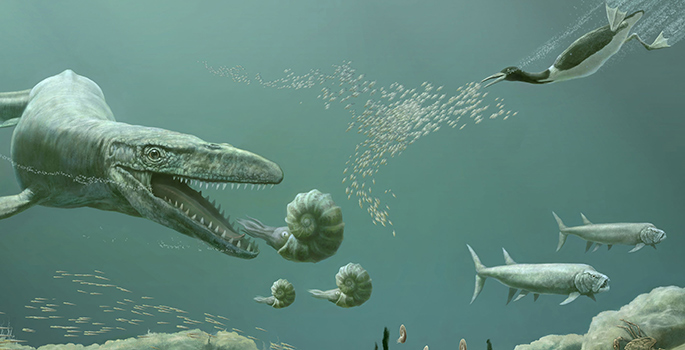
Evolutionary history of whales, dolphins and sea turtles
The evolutionary history of whales, sea turtles and other land animals that have returned to the sea details the radical changes to their life style, body shape, physiology that they made to survive in an aquatic environment. Read MoreApr 17, 2015
-

Vanderbilt and Pittsburgh to lead new center to identify toxic chemicals
EPA is establishing a new center at Vanderbilt University and the University of Pittsburgh to develop an alternative approach for toxicity testing to help evaluate the safety of the 80,000-plus chemicals in general commerce. Read MoreMar 25, 2015
-

Circadian clock – Angelman syndrome link established
Vanderbilt biologists have found a direct link between the biological clock and Angelman syndrome, a neurogenetic disorder that occurs in more than one in every 15,000 live births. The link may provide a valuable way to judge the effectiveness of the first experimental drugs under development for treating the syndrome. Read MoreFeb 5, 2015
-

Op-ed: World War II technology still with us today
Dennis Hall writes that while 'The Imitation Game' film dramatizes technological discoveries that shortened World War II, there is a lesser known story about radar advances that brought us the microwave. Read MoreJan 19, 2015
-
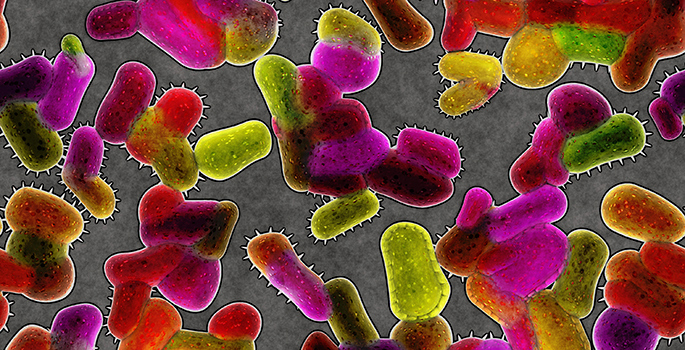
Early human populations may have been shaped by bacteria the body hosts
Vanderbilt mathematician Glenn Webb and NYU microbiologist Martin Blaser propose that the microbes which live on our bodies may have influenced the age structure of human populations in prehistoric times. Read MoreDec 16, 2014
-
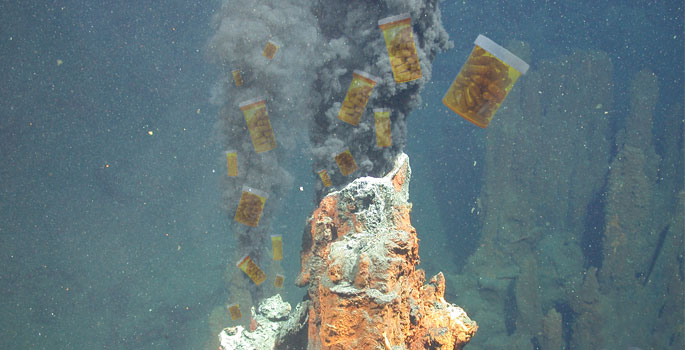
Life’s extremists may be an untapped source of antibacterial drugs
A family of single-celled organisms that thrive in environments too extreme for most other species to survive may be an untapped source of new antibacterial drugs. Read MoreNov 21, 2014
-
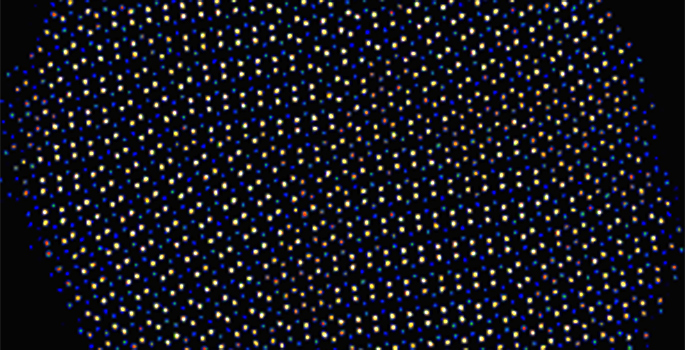
New form of crystalline order holds promise for thermoelectric applications
Scientists at Vanderbilt and ORNL have discovered a new form of crystalline order that could make better thermoelectric devices. Read MoreNov 14, 2014
-

Calvin Miller: Eyewitnessing an Icelandic eruption
Last month volcano expert Calvin Miller had the good fortune to witness the major volcanic eruption taking place in Iceland. Read MoreOct 7, 2014
-

Early Earth less hellish than previously thought
Conditions on Earth in its first 500 million years may have been cool enough to form oceans of water instead of being hellishly hot. Read MoreSep 15, 2014
-
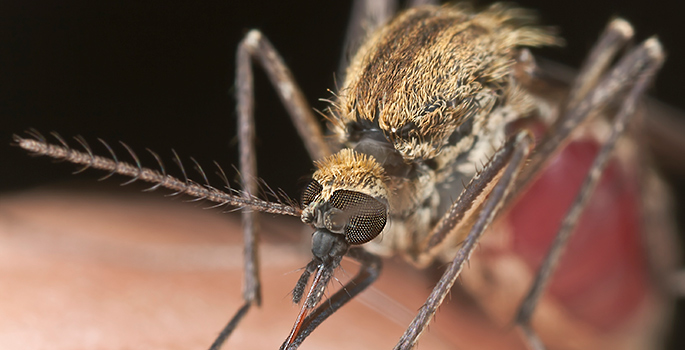
Mosquito facts and fictions
Mosquito researcher Jason Pitts collects interesting facts and stories about his research subjects, nature’s ultimate bioterrorists. Read MoreSep 9, 2014
-
Seth Bordenstein, associate professor of biological sciences, and graduate student Robert Brucker, discovered that the survival of a new hybrid of wasp depended not on their genes but on the microbes that naturally lived on and inside the insects.
Jun 5, 2014
-
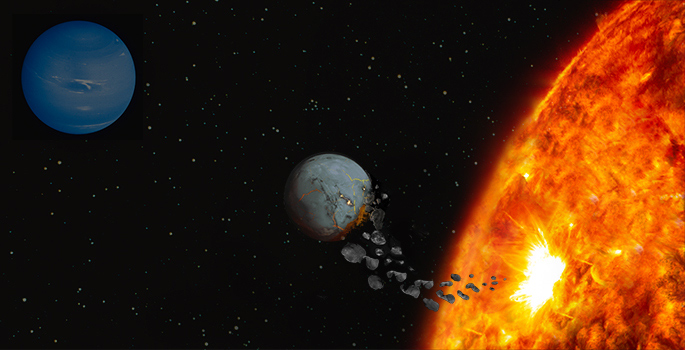
Astronomers identify signature of Earth-eating stars
Vanderbilt astronomers have developed a model that predicts the effect that ingesting earth-like planets has on the chemical composition of stars like the Sun -- a capability that can aid in efforts to find Earth-like exoplanets. Read MoreMay 16, 2014
-

How to create nanowires only three atoms wide with an electron beam
A Vanderbilt graduate student has used a focused beam of electrons to create some of the smallest nanowires ever made, which could bring us closer to flexible, paper-thin tablets and television displays. Read MoreApr 28, 2014
-

Cougars’ diverse diet helped them survive the mass extinction that wiped out the saber-tooth cat, American lion
Cougars may have survived a mass extinction that took place about 12,000 years ago because they were not particular about what they ate. Read MoreApr 22, 2014