Eleven of Vanderbilt University鈥檚 most promising recently tenured faculty have been awarded spots in the 2026 . This year鈥檚 recipients demonstrate exceptional and innovative scholarly achievement.
鈥淭hese scholars represent the next generation of academic leaders, advancing the bold ideas and transformative research that are strengthening Vanderbilt鈥檚 position among the world鈥檚 leading research universities,鈥� said. 鈥淭heir success is essential to our continued momentum as we build the great research university of the 21st century.”

To fuel their ongoing work, each fellow receives $80,000 over a multi-year period. Beyond the financial support, the program serves as an incubator for academic leadership development and creativity.
Fellows meet as a cohort regularly to exchange ideas and cultivate a vibrant intellectual community, while building the skills necessary to lead the university into the future.
鈥淭his year鈥檚 fellows exemplify the creativity, rigor and collaborative spirit that drive discovery and innovation at Vanderbilt,鈥� said. 鈥淭heir work addresses critical challenges across disciplines, and I look forward to seeing the impact they will have on their fields and our academic community.鈥�
The 2026 Chancellor Faculty Fellows are:

Peabody College of education and human development
(Vanderbilt University)
, associate professor of human and organizational development
Peabody College of education and human development
Carse is a cultural anthropologist focused on the intersection of culture, technology and ecology. His research bridges anthropology, geography, environmental studies and technology studies by examining infrastructure, global supply chains, climate change and the unequal burdens these systems place on communities.

School of Engineering and College of Connected Computing (Submitted photo)
, assistant professor of computer science and of electrical and computer engineering
School of Engineering and College of Connected Computing
Chang鈥檚 research focuses on the development of computational and engineering methods to better understand brain function and its interaction with physiological systems. Her work contributes to fundamental neuroscience and translational applications in areas such as epilepsy, aging and Alzheimer鈥檚 disease.

College of Arts and Science (Vanderbilt University)
, associate professor of biological sciences
College of Arts and Science
Creanza studies the evolution of learned behaviors through her study of the evolution of birdsong and human language. Multiple members of the U.S. National Academy of Sciences have described her research as groundbreaking, and she was named a 2023 Kavli Fellow by the National Academy of Sciences.

College of Arts and Science (Submitted photo)
, associate professor of political science
College of Arts and Science
Kenkel is a leading scholar in the political economy of conflict and communication and bargaining. He focuses his research on the interplay of conflict and power, specifically analyzing resources that constitute state power in violent conflict and what shapes and constrains state power.
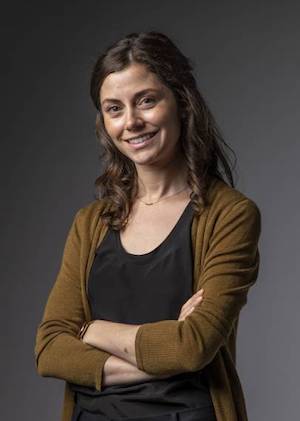
College of Arts and Science (Vanderbilt University)
, associate professor of sociology
College of Arts and Science
Manago specializes in the study of stigma and status consequences of mental illness labels, deviant behavior and fear. Her recent work emphasizes the study of methodology and methodological improvements in data preparation and transparency in analysis.

, associate professor of nursing
School of Nursing
Neal researches the physiological factors that influence a woman鈥檚 progress through labor. His research focuses on increasing safe and equitable perinatal care and birth outcomes. Neal鈥檚 research has been instrumental in the development of an updated partograph, a low-cost tool used to create a graphic, real-time record of labor progress around the world.

School of Medicine Basic Sciences (Vanderbilt University)
, associate professor of pharmacology
School of Medicine Basic Sciences
Niswender is a national leader in the fields of molecular pharmacology and academic drug discovery. She focuses on fundamental receptor biology, RNA editing, heterodimerization and the development of positive allosteric modulators with therapeutic relevance. This work has contributed to developing patented and licensed therapeutics.

College of Connected Computing and School of Medicine
(Vanderbilt University)
, assistant professor of computer science, and of electrical and computer engineering, and of pathology, microbiology and immunology
College of Connected Computing and School of Medicine
Huo鈥檚 work lies at the forefront of artificial intelligence, computer vision and biomedical imaging. He developed a highly influential research program that addresses one of the central challenges of modern science: extracting meaningful insight from massive, high-dimensional biomedical data.
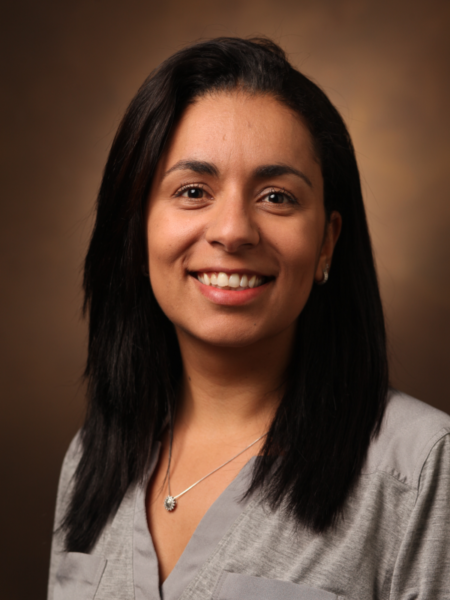
School of Medicine
(Vanderbilt University)
, assistant professor of pathology, microbiology and immunology
School of Medicine
Byndloss leads a robust research program studying the links between the gut microbiota (microorganisms that reside in the intestines), host metabolism and disease. She鈥檚 explores how the host and microbiota work together to promote health, and what happens when environmental factors like diet, antibiotics and inflammation disrupt the microbiota and increase risk for colorectal cancer, cardiovascular disease, childhood obesity and other disorders.

School of Medicine
(Vanderbilt University)
, associate professor of pediatrics and of developmental biology
School of Medicine
Sucre founded the , which studies lung development and neonatal lung injury, with a specific focus on understanding the molecular mechanisms that lead to bronchopulmonary dysplasia. She has produced foundational data toward new disease and injury-modifying therapies to prevent chronic lung disease in neonatal babies.

School of Medicine
(Vanderbilt University)
, associate professor of biostatistics
School of Medicine
Vandekar has developed innovative methods to raise the quality of statistical design and analysis in neuroimaging research by integrating multiple types of data into neuroimaging studies. His methodological innovations have the potential to revolutionize and strengthen statistical and computational practices in medical imaging and neuroscience.
- Learn more about the
- Meet the 2025 Chancellor Faculty Fellows