A more comprehensive, equitable approach to researching gun violence can lead to better policy solutions.
The mass shootings in Atlanta and Colorado in March again put a spotlight on gun violence in America and sparked renewed discussion about prevention policy. Despite a global pandemic, 2020 recorded the highest-ever number of civilian lives lost to firearms: Guns were used to kill almost 20,000 Americans by homicide, and 24,000 died in suicides by gun.
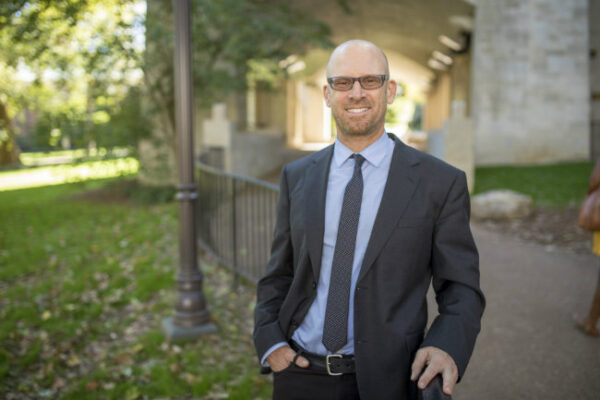
On April 8, the Biden administration announced executive orders that will regulate 鈥済host guns鈥� and stabilizers, encourage states to develop 鈥渞ed flag鈥� laws, increase research on gun trafficking, and fund community violence intervention programs. 鈥淭his should be the beginning of the conversation,鈥� says , Vanderbilt University鈥檚 Frederick B. Rentschler II Professor of Sociology and Medicine, Health, and Society, and director of the .
鈥淭he Biden administration is promising more funding for gun research and investment in community-based solutions to gun trauma,鈥� Metzl says. 鈥淏oth are vitally needed and have been underfunded and neglected for far too long. But the moment also calls for a new focus that brings more people to the table and promotes shared response and communal action that directly address the polarization and division surrounding the shared American trauma of gun injury and death.鈥�
Metzl and two colleagues provide that focus in a new co-authored with , assistant professor in medicine, health, and society; and Jennifer Piemonte, a Ph.D. candidate in the joint program in psychology and women鈥檚 studies at the University of Michigan. The authors challenge researchers to promote better solutions to the 鈥渟tructural drivers of America鈥檚 gun violence,鈥� to renew attention to the mental health outcomes of gun trauma, to engage minoritized communities in more effective ways, and to develop methods that directly counter social and political divisions around guns.
The authors outline a five-part agenda for the future of firearm research centered on addressing the root causes of gun violence and deeper focus on the socioeconomic factors and biases that produce inequitable outcomes. Titled 鈥淪tructural Competency and the Future of Firearm Research,鈥� the paper highlights limitations to current research on firearms and details new types of data needed to break through the polarized U.S. gun debate. Currently available gun violence data consist of a patchwork of data collection efforts from individuals, nonprofit organizations or local governments, rather than a comprehensive, standardized, robust central database.
The authors also take aim at racialized assumptions about gun violence and mental illness that arise after mass shootings. As the authors detail, white shooters are 19 times more likely than Black shooters to be described with a mental illness frame. In contrast, Black and Latinx shooters were described as violent or as threats to public safety, with the violent incidents characterized as 鈥済ang disputes,鈥� 鈥渄rive-by shootings鈥� or other forms of 鈥渦rban鈥� violence鈥攐ften with little further elaboration on motives or effects. 鈥淭hese binaries reinforce biases that white persons act via intellect, while minoritized aggressors are driven by embodied impulse鈥� and 鈥淸limit] engagement with the deeper causes and effects of gun-related injury and death,鈥� the researchers state.
鈥淭hese binaries reinforce biases that white persons act via intellect,
while minoritized aggressors are driven by embodied impulse鈥� and 鈥淸limit] engagement with the deeper causes and effects of gun-related injury and death.鈥�
The authors highlight the need for better strategies for engaging gun owners and gun sellers in research by better understanding what guns mean to them. This includes having a better understanding of the roles that guns play in peoples鈥� daily lives and considering the meanings and values that people associate with gun ownership, such as heritage, gun culture, a sense of identity and/or a sense of personal protection. To obtain substantive support on any gun prevention policy, research needs to tell a bigger story that includes the perspective from the owners of the 95 percent of guns in America that are never fired, rather than focusing solely on shootings and deaths.
鈥淭here is a very real question of, 鈥榃hat do these actions mean for research?鈥欌�� Metzl said. 鈥淲hat kinds of community-based interventions are needed to help find solutions to problems as complex as gun violence鈥攅specially during and after the COVID-19 pandemic, which has seen skyrocketing gun sales and ever more shootings?鈥�