Health And Medicine
-
A Vanderbilt study found that higher levels of excess oxygen given to patients under general anesthesia add risk of injury to the kidneys, lungs and heart.
Nov 30, 2022
-
Researchers in the Vanderbilt University School of Medicine have received three grants totaling $13.6 million from the National Institutes of Health to develop molecular “atlases” of the brain, kidney, eye and other tissues.
Nov 18, 2022
-
An in-depth analysis by Vanderbilt investigators of published research studies supports removing race from the calculation of estimated glomerular filtration rate (eGFR) — an assessment of kidney function.
Nov 17, 2022
-
Researchers from from Vanderbilt-Ingram Cancer Center have identified the mechanism for the deadly heart inflammation myocarditis.
Nov 16, 2022
-
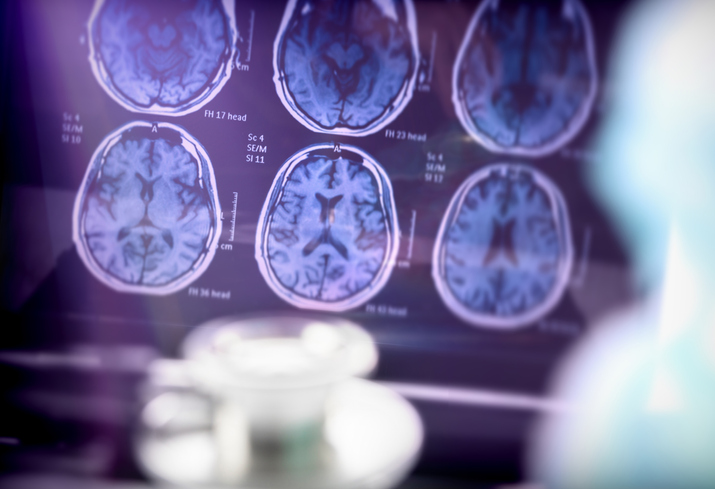
Vanderbilt, international collaborators discover treatment to slow neurodegenerative diseases
Warren Center for Neuroscience Drug Discovery lead researchers discover a therapy that may treat memory loss and slow the progression of Alzheimer’s disease. Read MoreNov 15, 2022
-
Vanderbilt research describes a new investigational peptide drug that can penetrate immune and nonimmune cells, and block inflammatory signaling in a preclinical model of atopic dermatitis — eczema.
Nov 10, 2022
-
The School of Medicine Basic Sciences Dean’s Lecture featured renowned immunologist, virologist, and alumnus Dr. Barney S. Graham. In his talk, “Reflections on Pandemics and the Future of Medicine,” Graham discussed his early research experiences leading up to his seminal work on the first experimental COVID-19 vaccines, along with his observations on the pandemic and hopes for the future of medicine.
Nov 9, 2022
-
A Vanderbilt study finds that Moderna’s COVID-19 vaccine is safe and effective in children 6 months to 5 years of age.
Nov 4, 2022
-
A team at Case Western Reserve University and Vanderbilt University Medical Center has determined with atomic-level precision how two established drugs bind to and alter the conformation of a cell membrane transporter protein called NKCC1, shutting down its activity.
Nov 3, 2022
-
Researchers at Vanderbilt University Medical Center have found that the change in a single letter of the genetic code promotes, in a mouse model, the development of inflammation, high blood pressure and resulting kidney damage.
Oct 20, 2022
-
Vanderbilt reseach shows that resources for lung cancer screening programs increased the number of veterans screened.
Sep 29, 2022
-
Vanderbilt researchers are studying precancerous lesions and early cancers in the colon, with the goal of developing new ways to prevent colorectal cancer, the nation’s second leading cancer killer.
Sep 22, 2022
-
Assistant Professor of Biochemistry Emily Hodges and graduate student Tyler Hansen used a blended approach to create a new, multi-omic method to identify and characterize gene regulatory elements—non-coding DNA sequences that control gene expression—in the human genome.
Sep 20, 2022
-
A grant from the National Institutes of Health will allow John T. Wilson to explore ways to use recently developed nanoparticles to stimulate immunity pathways in children, with the aim of making immunotherapy treatments for neuroblastoma more effective.
Sep 16, 2022
-
A new model suggests that a protein involved in the generation of high-density lipoprotein (HDL) works differently than previously thought.
Sep 15, 2022
-
Vanderbilt researcher Nilanjan Sarkar is partnering with Lorraine Mion of the Ohio State University and two Middle Tennessee long-term care facilities to investigate how augmented reality technologies can ease loneliness among residents.
Sep 13, 2022
-
When high blood pressure was induced in young mice, they had bone loss and osteoporosis-related bone damage comparable to older mice, according to new research presented at the American Heart Association’s Hypertension Scientific Sessions 2022 conference.
Sep 7, 2022
-
New Vanderbilt research could inform therapeutic strategies for enhancing thymic function when desired — such as during aging, recovery from radiation therapy or chemotherapy, or other conditions that reduce T cell output.
Sep 1, 2022
-
Gastrointestinal inflammation, such as occurs in inflammatory bowel disease, triggers the expansion of a population of “bone-eating” cells, leading to bone loss.
Aug 25, 2022
-
Researchers at Vanderbilt University Medical Center have discovered why the uropathogenic bacterium E. coli, the leading cause of urinary tract infections, is so tenacious; their findings could lead to new ways to prevent recurrent UTIs.
Aug 25, 2022