

is passionate about teaching what she considers the key to high-quality nursing practice: weaving knowledge, skills, experience and reflection to create clinical reasoning. She brings her decades of research and advanced teaching methods on clinical reasoning to the as senior associate dean for academics.
鈥淐linical reasoning is really the highest order of thinking,鈥� she said.
鈥淲e can teach information and skills, but teaching them how to incorporate what they鈥檝e learned to another level and develop individualized, appropriate plans of care is a challenge. So I have focused my research on how to best do that.鈥�
Dreifuerst has spent her career researching the best ways to teach clinical reasoning by examining the cognitive brain science behind how people learn, as well as incorporating innovative ways to use technology to engage students.
LEVELS OF REFLECTION
One of the key tools Dreifuerst encourages is exercising three kinds of reflection鈥攔eflection in action, reflection on action, and reflection beyond action.
鈥淩eflection in action is in-the-moment thinking, putting the pieces together,鈥� she said.
鈥淩eflection on action is retrospective, reflecting on what occurred through the lens of your training and gaining lessons from that. For example, 鈥業 did this and it didn’t go well, so next time I’m going to do this instead.鈥欌��
Dreifuerst explains the third reflection, called reflection beyond action, as the relationship between reflection and anticipation. Using a patient experience, whether it was good or bad, and applying it to the next clinical encounter informs practice and thinking like a nurse.
鈥淩eflecting beyond action helps a health care provider challenge their assumptions, so that when they encounter the next patient, we’ve trained them to be comfortable running through these reflections and asking questions like, 鈥楧oes what I鈥檓 seeing or what I鈥檝e done make sense? What else should I be thinking? What am I not considering for this patient?’鈥� she said. 鈥淭hese exercises are more than applying what a student has memorized. They are actively using knowledge, reasoning and critical thinking.鈥�

SYNERGY AT VANDERBILT
Dreifuerst comes from a long line of nurses and was in clinical and advanced practice nursing for years before going into teaching and research. When looking for the next advancement in her career, Vanderbilt was a perfect fit.
鈥淭here is such synergy with the excellent work already happening here and what I could bring to expand the academic environment,鈥� she said. 鈥淚t just felt right.鈥�
ADVICE TO STUDENTS
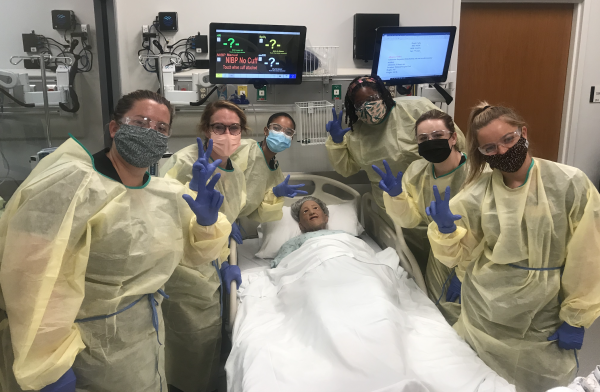
Through whatever challenges and changes come, Dreifuerst is a champion for the nursing profession and stresses to students that nursing is a career that is constantly evolving. 鈥淓mbrace change because it keeps the momentum and ensures that we are always striving to provide safe and excellent care.鈥�
Dreifuerst goes on to note, 鈥淎s a nurse, you can do absolutely anything. My career and the many different things I鈥檝e done, are testament to that,鈥� she said. 鈥淏eyond patient care and public health, we have nurses who are in politics, industry, education, leadership and more. Nurses contribute to society in a myriad of ways, because our education really prepares us to focus on the needs of others and think beyond.鈥�