, Annie Mary Lyle Professor and professor of molecular physiology and biophysics, died June 20 in Nashville as a result of health issues. He was 66.
A fellow of the American Association for the Advancement of Science, Wasserman led groundbreaking research studies on the role of physical exercise, insulin-stimulation and diet in metabolism. The research he oversaw contributed to a better understanding of fueling metabolism, and his findings are considered to have had important implications for treating diabetes and heart disease.聽His research, over the years, is deeply respected by the scientific community.
鈥淒avid鈥檚 research greatly advanced our understanding of metabolic systems and insulin resistance. His dedication to discovery and passion for teaching inspired many. We will deeply miss his wisdom, kindness, and commitment to excellence,” said Provost and Vice Chancellor of Academic Affairs C. Cybele Raver.
鈥淒avid Wasserman was a visionary, creative scientist whose work greatly advanced our understanding of how glucose is used and made and the roles of organs such as the liver, skeletal muscle, fat and the brain,鈥� added Alvin C. Powers, director of the Division of Diabetes, Endocrinology and Metabolism at the Vanderbilt Department of Medicine and the Vanderbilt Diabetes Research and Training Center.
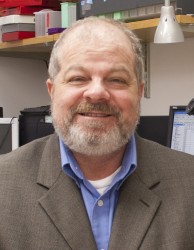
Powers noted that Wasserman鈥檚 role as the founder and the director of more than 20 years ago greatly influenced the entire field of diabetes and metabolism. Under Wasserman鈥檚 leadership, the MMPC fostered collaborative studies within Vanderbilt and across many institutions.
鈥淒ave and his colleagues freely shared the technology and experimental approaches they created with the scientific community,鈥� Powers said. 鈥淔or example, each year the MMPC organized a hands-on training course where more than 250 scientists from around the world, including those from universities, pharmaceutical companies and biotechnology groups, came to Vanderbilt to learn how to use these approaches in their own research. David was also a tremendous mentor and colleague who inspired many with his enthusiasm for science and discovery. His fun-loving approach to life and his passion for research will be greatly missed.鈥�
Throughout his career, Wasserman was honored for his work with several prestigious awards. He received the Bowditch Award, the Solomon Berson Award of the American Physiological Society, an NIH MERIT Award, The C.R. Park Award for Excellence in Research and The John H. Exton Award for Research Leading to Innovative Biological Concepts.
Wasserman鈥檚 collaborative spirit earned him the admiration of many colleagues across the country over the years. Roger Cone, the former chair of the Department of Molecular Physiology and Biophysics at Vanderbilt, worked with Wasserman for eight years and said Wasserman positively influenced countless students and peers.
鈥淒avid was a great scientist who truly shaped the diabetes research community through his studies of glucose flux, his development of technology for diabetes and exercise research in the mouse, and his national leadership in the MMPC program.聽He also had an incredible joie de vivre and an iconoclastic approach to life that always made him fun to be around,鈥� Cone said.
鈥淲hether it was naming his chair after a favorite baseball player and diabetic, Ron Santo, or the many hours he spent on 鈥楩aculty Jeopardy,鈥櫬燚avid brought joy to those around him,鈥� he added.聽 鈥淢y thoughts are with everyone who knew David as we mourn the loss of a wonderful colleague and friend.鈥�
Nancy Carrasco, Joe C. Davis Professor of Biomedical Science and chair of the Department of Molecular Physiology and Biophysics in the School of Medicine Basic Sciences at Vanderbilt, shared similar sentiments about Wasserman.
鈥淒ave Wasserman was truly an inspiration and a role model for myriad colleagues and students,鈥� Carrasco said. 鈥淗e was passionately devoted to science and to Vanderbilt University as an institution, and his work raised Vanderbilt’s global reputation and profile to new heights. Dave was also a universally esteemed and admired colleague and friend. He will be sorely missed.
鈥淒ave was a pillar of our department and, indeed, of the university as a whole. His legacy will endure and will continue to guide future scientists for many years to come,鈥� she added.
Maren Laughlin, a senior adviser for integrative physiology with the NIH聽 and co-director of the Office of Obesity Research, recalled Wasserman鈥檚 high standards on research projects.
鈥淒avid was a brilliant physiologist, mentor and colleague, deeply respected and valued by his peers. He connected with people on a highly personal and genuine level. He brought to the basic diabetes research community a deep understanding of the complex approaches used to study diabetes in animal models, and high standards for honesty and scientific integrity. David鈥檚 vision, high standards and generosity are embodied in an NIH-funded consortium that he spearheaded, the Mouse Metabolic Phenotyping Centers,鈥� Laughlin said.聽鈥淗is center has helped hundreds of investigators across the country by conducting for them high-quality experiments on mice, and hundreds more by inviting them to Vanderbilt to learn how to do complex metabolic studies. He had a passion for developing and sharing technology widely in order to improve the quality of metabolic research across the world.鈥�
Wasserman graduated with bachelor鈥檚 and master鈥檚 degrees in kinesiology from the University of California Los Angeles. He earned his Ph.D. in physiology from the University of Toronto in Toronto, Canada.
He is survived by his children Micah Wasserman and Mira Wasserman, his mother, Gail Wasserman, and his siblings Sydlee Cohen RN, MPH, NP (Jerry), Ronald Wasserman M.D. (Midori Jane) and Wendy Agron RN (Scott). A private memorial service will take place in California.


