
THINGS TO KNOW:Ìý
- Vanderbilt University now has 25 Ìý
- Vanderbilt has and buildings (certifications pending)Ìý
- The Commons was the first set of buildings to receive LEED certification on campusÌýÌý
- When certified, Nicholas S. Zeppos Residential College will be Vanderbilt’s first Platinum LEED-certified buildingÌýÌý
- In 2020, Vanderbilt was honored with the ÌýÌý

When Vanderbilt University constructed its first building in 1875, it was efficiently designed for multipurpose use—with classrooms, laboratories, library, museum and chapel under one roof.Ìý As architect William Crawford Smith designed Kirkland Hall, then known as Main Building, he employed the use of flexible spaces, which is one of the tenets of sustainably designed buildings still in use today. His flexible design and construction stood the test of time as Kirkland Hall morphed its identity over the years.Ìý
Today, the university builds on Smith’s legacy by keeping sustainability at the forefront of its design process for new buildings—and when evaluating existing buildings.ÌýÌý
LEADERSHIP IN ENERGY AND ENVIRONMENTAL DESIGN (LEED)Ìý
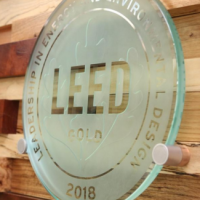 LEED, the world’s most widely used green building rating system, is managed by the U.S. Green Building Council.Ìý
LEED is broken down by a set of goals:Ìý
- Reduce contribution to global climate changeÌý
- Enhance individual human healthÌý
- Protect and restore water resourcesÌý
- Protect and enhance biodiversity and ecosystemÌý
- Promote sustainable and regenerative materialsÌýÌý
- Enhance community quality of lifeÌý
The CommonsÌý

In 2009 Vanderbilt opened the doors to its first set of LEED-certified buildings. The Commons has seven LEED-certified buildings, four Gold and three Silver. When unveiled, this project made history as the largest collection of LEED-certified buildings in Tennessee.ÌýÌý
Nicholas S. Zeppos Residential CollegeÌý
 Vanderbilt is preparing to drop another pin in its historical timeline with its first Platinum LEED building. Nicholas S. Zeppos Residential College, named after Chancellor Emeritus Nicholas S. Zeppos, welcomed students home in 2020. But long before the building opening, Vanderbilt leadership and project managers began preparing to build the university’s first LEED Platinum building (certification pending).ÌýÌý
For a building to achieve a LEED Platinum certification, it must earn 80+ points from the USBGC.ÌýÌý
Zeppos College is set to achieve this certification through design elements such as:ÌýÌý
- Sustainable sites, such as green and open spaces, inside and surrounding the building

- Increased natural light throughout the building and campus views from regularly occupied areasÌý
- Proximity to modes of transportation such as the nearby bike racks and the WeGo and VandyRide bus stopsÌý
- Regionally sourced materials used in the design and constructionÌý
- Products developed with recycled content such as the carpeting, floors in the restrooms and metal studs and concrete blocks used in the structureÌý
- High-efficiency flush and low-flow plumbing fixtures to reduce potable water useÌýÌý
- Overall energy performanceÌýÌý
Learn more about the design elements it takes to earn a ÌýÌý
PETAL AND WELL BUILDINGSÌý
Vanderbilt has two other types of sustainably designed buildings: WELL and PETAL (certifications pending).ÌýÌý
Vanderbilt University School of NursingÌý
 Health and well-being were at the forefront of the design process for the Vanderbilt University School of Nursing, which was completed in 2019. The building was designed to achieve not only LEED Gold certification, but also WELL Silver certification (certification pending).ÌýÌý
The WELL Building Standard is a performance-based system of measuring, certifying and monitoring features that affect human health and well-being in a built environment, including air quality, water, nourishment, light, fitness, comfort and mind.ÌýÌý
The Connector BuildingÌý

The Connector Building, which is between the newly renovated One Magnolia and Mayborn Buildings on the Peabody campus, was strategically designed to achieve a LEED certification and Vanderbilt’s first Living Building Challenge PETAL certification for materials (certifications pending).ÌýÌý
To qualify for a certification, administered by the International Living Future Institute, a building must be designed to:Ìý
- Sourcing materials that are Red List freeÌý
- Tracking embodied carbon from constructionÌý
- Using salvaged materials and responsibly sourced wood and stoneÌý
- Striving to eliminate waste during constructionÌý
- Sourcing materials from local industriesÌý
In the Connector Building, there are a series of educational signs to highlight the sustainable elements that qualify it as a PETAL-certified building.ÌýÌý
THE FUTUREÌý
The university has many buildings with various certifications pending:Ìý
- Nicholas S. Zeppos Residential CollegeÌý
- Rothschild Residential CollegeÌý
- Kirkland HallÌýÌý
- 17th and HortonÌý
- Engineering and Science Building (fifth and sixth floors)Ìý
- Owen Graduate School of ManagementÌý
Additional information will be released as the university earns LEED, WELL and PETAL certifications.ÌýÌý