by Ann Marie Deer Owens
In the true spirit of an engineer, has always relished the role of a builder鈥攚hether that鈥檚 assembling an internationally renowned bioengineering center like the one he led before coming to Vanderbilt or bringing together experts from a vast array of disciplines to solve what he calls 鈥済rand societal challenges.鈥�
So, when presented with the opportunity to build on the strong foundation of , Roy was intrigued.
鈥淚nitially, I wasn鈥檛 sure if it was the right time or the right place. But then I talked to the provost and chancellor and heard their visions for the school, and it really seemed like the right fit,鈥� Roy said. 鈥淵ou get a few opportunities in your career to grow and make an impact. I saw this as one of those times, and I so took the leap.鈥�
And leap, he has. After Roy鈥檚 appointment as the Bruce and Bridgitt Evans Dean of Engineering and University Distinguished Professor on Aug. 1, 2023, he quickly began exploring areas where Vanderbilt can have a major鈥攁nd multidisciplinary鈥攊mpact.
Key among those are health and medicine, climate, data science and transportation.
狐狸视频, TRANSLATION, INNOVATION, EDUCATION, DEVELOPMENT
Producing academic research around these topics is not enough for Roy. He sees Vanderbilt and the School of Engineering as natural conduits where research, translation, innovation, education and workforce development can coalesce to have a larger, more positive societal impact.


鈥淚n my previous role, I brought together researchers from differing backgrounds and disciplines to find effective treatments for cancer and infectious diseases,鈥� Roy said. 鈥淚 want to facilitate at Vanderbilt similar large centers of discovery and innovation鈥攚ith engineering partnering closely with scientists, health care experts, policy and regulatory experts, businesses, educators and other key stakeholders.鈥�
Roy was recruited from the Georgia Institute of Technology, where he directed three centers conducting pioneering biomedical research. He succeeds , who led the School of Engineering through significant and strategic growth for 11 years.
NOT AFRAID TO TAKE RISKS
Roy鈥檚 career path did not begin with a focus on biomedical engineering. He grew up in a family of physicians in India, earning his bachelor鈥檚 degree in instrumentation engineering at the prestigious Indian Institute of Technology, Kharagpur. 鈥淧erhaps being a little bit rebellious, I decided early in life that I didn鈥檛 want to be a medical doctor,鈥� Roy said. 鈥淗owever, my father told me that I would one day 鈥榗ome home鈥� to medicine.鈥� Roy views his work in biomedical engineering as a connection to his family legacy.
After completing his undergraduate education, Roy enrolled in graduate school at Boston University. It was a challenging experience, he said, one that embodied Vanderbilt鈥檚 鈥渄are to grow鈥� motto.
First, he had never flown on an airplane, and his flight from India to Boston had to make an unplanned stop for engine repair a few hours after takeoff. After arriving in Boston a day late, Roy stayed with senior graduate students, sleeping on their couches and looking for an affordable apartment. Most of the U.S. dollars he was allowed to bring from India had to be used as deposit on his first rental agreement, even though he was sharing with two other friends. 鈥淚 had no concept of how expensive Boston was, even in the 鈥�90s,鈥� he said. 鈥淚 had to live on $100 until the end of the month when I received my first graduate stipend.鈥�
At Boston University, Roy earned a master of science while working primarily on biomedical instrumentation. He did not become fully immersed in cellular and biomaterials research until entering the doctorate program at Johns Hopkins University.
鈥淗aving been trained as an electrical engineer, I had to learn everything from scratch in biomaterials and immunology,鈥� Roy said. 鈥淚 had never even held a pipette, and I remain grateful to a postdoctoral fellow鈥攏ow a Hopkins faculty member鈥攚ho taught me so much.”
DARE TO GROW
Roy shares his career story with undergraduate students to emphasize the importance of being open to different areas of learning.
鈥淯se your time in college to learn skill sets that are broad: how to find information, how to convey your ideas, how to work on a team and how to solve problems. These are skills that can last you a lifetime, no matter what you study,鈥� Roy said.
He noted that students should not feel tied to a particular major if they want to follow a different career trajectory.
As Roy was completing his doctoral studies, he felt burned out from academia and applied for jobs in industry. He ended up returning to Boston to work for a startup but realized later that he missed the collegiate environment.
鈥淚 really love our 鈥榙are to grow鈥� motto,鈥� Roy said. 鈥淚t captures my personal experience, and it exemplifies what engineering is about. We are constantly innovating, translating our work into real-world settings and trying to make an impact in society.鈥�
GROUNDBREAKING 狐狸视频
In 2002, Roy became the first external hire for a new biomedical engineering program at the University of Texas at Austin. Eleven years later he joined the faculty at Georgia Tech, where he led groundbreaking collaborations in the emerging field of immunoengineering and cell manufacturing.
鈥淥ur vision was to bring immunologists, biologists, chemists, infectious disease specialists and others to collaborate with engineers for greater understanding of the immune system and its role in treating diseases,鈥� Roy said. 鈥淲e learned that so many illnesses have an 鈥榠mmune angle鈥� to them.鈥�
Cell manufacturing has been a priority of Roy鈥檚 research, and he wants to increase that focus at Vanderbilt. 鈥淭here are only a few cell-based therapies on the market, but they have been game-changing for many pediatric and adult blood cancers,鈥� he said. 鈥淭he production process of these cell therapies is complex and slow and not done at scale. This is where we want to harness engineering methods and tools in the manufacturing process for revolutionary therapies.鈥�
Roy plans to move his lab from Georgia Tech to Vanderbilt next year. 鈥淚 personally feel that I need to stay in touch with the research side of things, and that includes being able to mentor students in the lab,鈥� he said.
RADICAL COLLABORATION = TRANSFORMATIVE INNOVATION
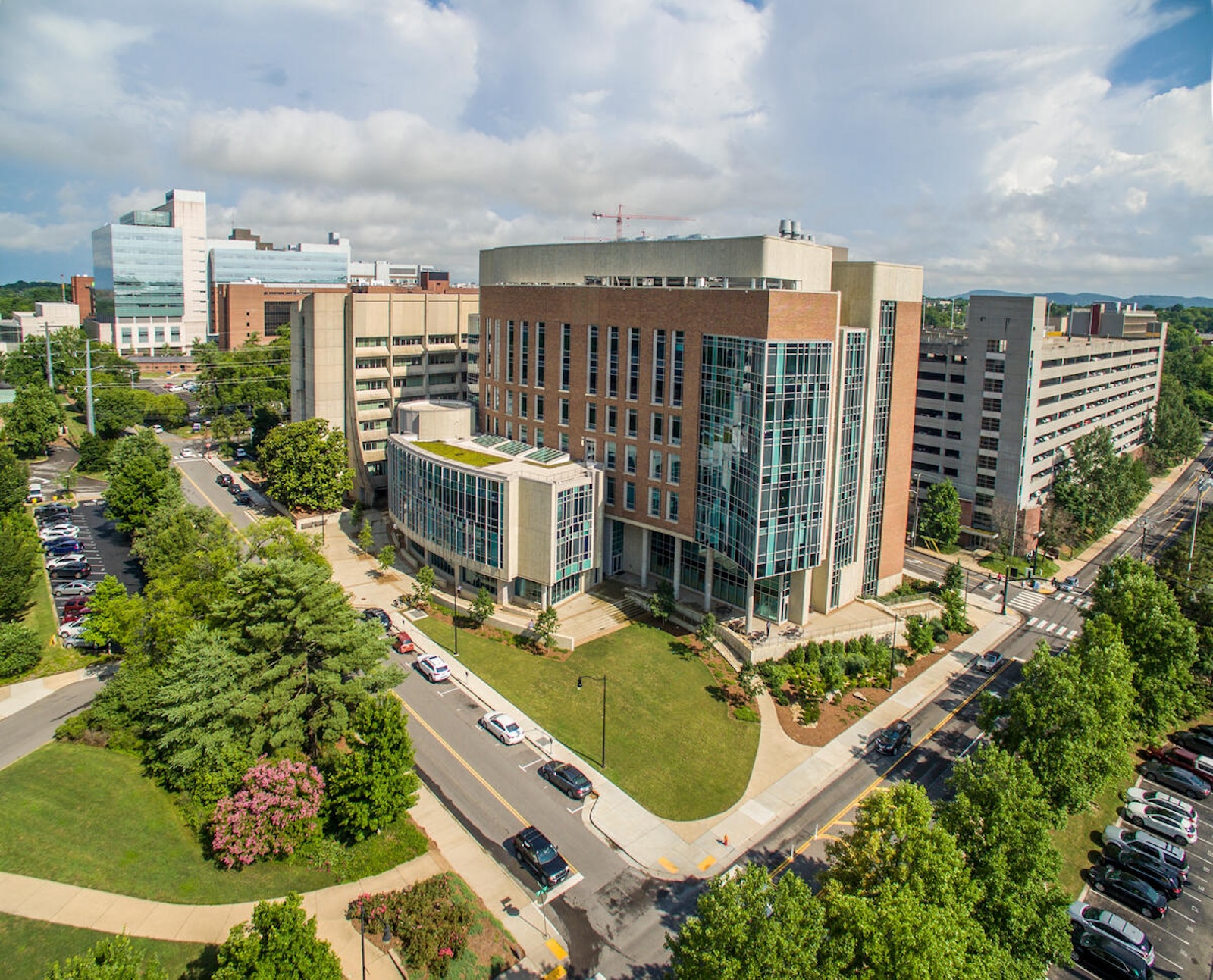
Roy also wants the School of Engineering to realize the full potential of having Vanderbilt鈥檚 School of Medicine Basic Sciences in proximity.
鈥淭ime, distance and funding are three drivers of research, so distance very much matters,鈥� he said. 鈥淔or radical collaboration and transformative innovation to happen, we must create programs where interests match those of cross-disciplinary faculty and then seed those interests and ideas with funding.鈥�
He believes that more emphasis should be placed on the value of entrepreneurship and inclusive innovation in academia.
鈥淚t used to be a negative for a faculty member, especially junior faculty, to start a company,鈥� he said. 鈥淣ow it is accepted reality, and I have a keen interest in enabling faculty collaborations across disciplines to facilitate innovation for all.鈥� This is true to our mission 鈥渢o make a profound impact on the advancement of society and the human condition, locally and globally, and train the most impactful engineering leaders of the future.鈥�
Roy has been elected a fellow of the American Institute for Medical and Biological Engineering, the Biomedical Engineering Society and the Controlled Release Society. Earlier this year, he received the Clemson Award for Basic Research from the Society of Biomaterials for his contributions to the basic knowledge and understanding of the interaction of materials and the immune system.
ENJOYING NASHVILLE
While Roy is fully immersed in his new leadership role, he looks forward to taking in the local culture, especially the wide variety of restaurants popping up all over the city.
鈥淢y daughter, who is in sixth grade, is adventurous like me in wanting to try different cuisines 鈥� everything from sushi to Italian and much in between,鈥� Roy said. 鈥淎nd I鈥檝e already tried Nashville hot chicken!鈥�
But what he is really excited about is the potential for the School of Engineering.
鈥淲e have record research expenditures, really at the very top of any university in the country. We have record revenues from licensing our technologies. We have superstar students, faculty and staff,鈥� Roy said. 鈥淲e have new investments coming from the university, and I think the next five to 10 years will give us amazing growth opportunities鈥攆or the School of Engineering, for Vanderbilt and for us to make a positive impact on our local community and the larger society.鈥�
- Learn more about the
- Read the latest research news from Vanderbilt