by Ann Marie Deer Owens聽 聽聽聽聽聽聽聽聽聽
The storied history and reputation for theological education鈥�including advocacy for racial and social justice鈥�were key to move to Vanderbilt for the deanship. She looks forward to the challenges and opportunities that accompany the changing needs of divinity students at Vanderbilt and around the world.
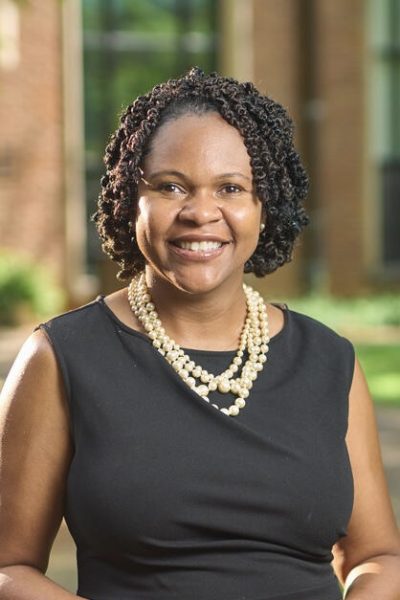
鈥淭he data tells us that fewer and fewer of our students are training to work in ecclesial settings,鈥� said Pierce, who became the 17th dean in the school鈥檚 history on July 1. 鈥淗owever, our students remain centered in their spiritual journeys, even if they do not plan to stand in a pulpit or behind a microphone on Sunday morning. They believe that they are called to do work that makes a difference in the world, perhaps by serving in nontraditional ministries.鈥�
The decline in the number of divinity students who are headed into religious roles has become a national and even international trend for schools, seminaries and other spaces providing theological education. This trend mirrors a rise in the number of religiously unaffiliated people around the world. Pierce has a keen interest in future models for theological education, as did her predecessor, , dean emerita of the Divinity School.


WOMANIST THEOLOGY
Pierce shares a strong research-based interest in womanist theology with Townes, who holds the E. Rhodes and Leona B. Carpenter Chair and is University Distinguished Professor of Womanist Ethics and Society.
鈥淲omanist theology as an academic field was created in the late 1960s and early 鈥�70s as an increasing number of African American women were entering the academy and pursuing doctorates,鈥� Pierce said. 鈥淢uch of the feminist theology at that time was being written by white women, and much of the Black theology at that time was being written by Black men. Womanist theology emerges at what we would call the point of intersectionality, in which issues like race, class, gender identity and sexual orientation are at the center of the theology womanists write.鈥�
Other areas of expertise for Pierce include literature and religion and African American religions, so her research interests overlap with those of several Vanderbilt faculty. She had been to conferences at the Divinity School before being named dean, but not since the school鈥檚 significant building renovation that was envisioned and led by Townes.


FAITH JOURNEY
P颈别谤肠别鈥檚 journey to becoming a scholar and influential public theologian began in Brooklyn, New York, where she was raised by her grandparents and attended a Pentecostal denomination church. Pierce wrote about the effect of

鈥済randmother theology鈥� and 鈥渃hurch mothers鈥� in her first book for a nonacademic audience,
鈥淭here鈥檚 a longstanding tradition of women being viewed as practitioners of religion but less of a tradition of thinking about them as theologians,鈥� Pierce said. 鈥淭he women who raised me shaped my faith, but they were not theologically trained or college educated. They certainly were not trained at the graduate level. So, with this book I鈥檓 asking, 鈥榃hat if the greatest theologian I鈥檝e ever known is my grandmother?鈥欌��
ACADEMIC SUCCESS
A first-generation college student, Pierce went to Princeton University at age 16 for her bachelor鈥檚 degree. She then enrolled in graduate school at Cornell University, where she earned a doctorate in religion and literature.
One piece of advice she has for current students is to build relationships with faculty members.
鈥淲hen I was an undergraduate student, it was a professor who first said to me, 鈥業 think you could do this at the graduate level.鈥� He helped start my academic path,鈥� she said. Pierce also encourages students to stay on good terms with fellow classmates, especially in graduate school, as 鈥渢hose are your peers, the ones you will call on in the future to lecture, participate in academic conferences and share perspectives.鈥�
After her own graduate school experience, Pierce taught at the University of Kentucky and earned tenure as a faculty member in English and African American studies. In 2013, she joined the faculty of Princeton Theological Seminary as associate professor of religion and literature and became founding director of the Center for Black Church Studies. Pierce聽also served as the founding curator for the Center for the Study of Black Religion at the Smithsonian鈥檚 National Museum of African American History and Culture.
In 2017, she became the first woman appointed dean of Howard University School of Divinity. Pierce said that was a time when Vanderbilt鈥檚 motto, 鈥渄are to grow,鈥� really resonated with her. 鈥淭here is no school or specific training to be a dean, so the appointment brought big changes and challenges for me,鈥� Pierce said. 鈥淚 do think that daring to grow, whether it鈥檚 taking a class on an unfamiliar or difficult subject or learning new skills in the workplace, is important for personal growth.鈥�
Pierce will continue to be a practicing scholar at Vanderbilt and is focused on moral injury and reparations in her latest book project. She is a contributing writer for Christian Century and has authored pieces for Time and Theology Today, among other publications.聽She plans to return to the classroom after settling in as dean.
鈥淚 love teaching students, as it renews my energy and reminds me why I do what I do,鈥� she said.
RADICAL COLLABORATION
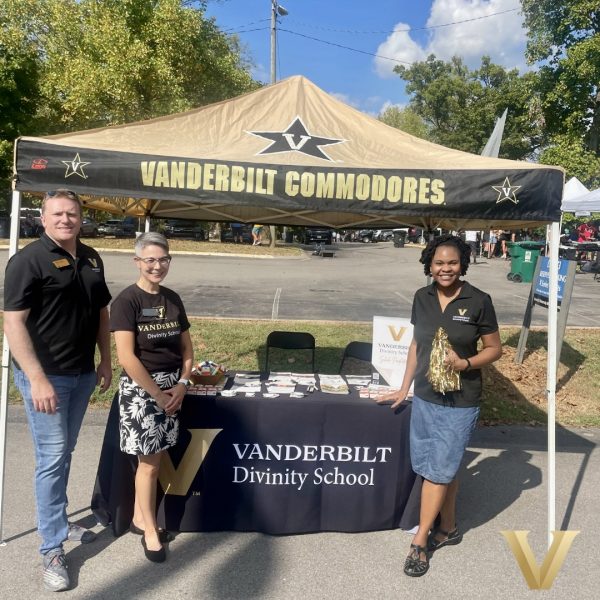
She is excited to build and strengthen radical collaborations with schools and programs across campus as well as the Nashville community. Potential collaborations could include working with the Blair School of Music on courses in sacred music and engaging with the Law School to develop a program on truth and justice.
Pierce places a priority on self-development and encourages her colleagues to do the same.
鈥淲hat are the things that bring you joy and passion? You will need them to serve as a counterbalance to all the deadlines and pressures of school and work,鈥� she said.
P颈别谤肠别鈥檚 hobbies include knitting, travel, cooking and entertaining.
鈥淎s the granddaughter of a pastor, I lived in a home that always welcomed guests with constant cooking, eating and sharing,鈥� she said. 鈥淚 still love that rhythm of hospitality and entertaining.鈥�
- Learn more about .


