By Amy Wolf
It all started late one night in a first-year residence hall. A group of students were brainstorming ideas for an innovative project to collaborate on, and amid all the ambitious suggestions getting tossed around, one engineering major’s idea stood out: What if they built a miniature nuclear fusion reactor?
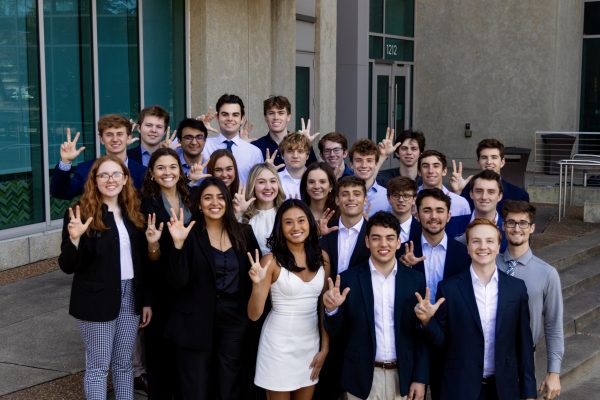
In typical Vanderbilt student fashion, the group responded to the challenge with an enthusiastic 鈥測es鈥� and immediately started planning. Just one year later, the , which comprises 40 undergraduates from 22 majors across three schools, is well on its way to making history.
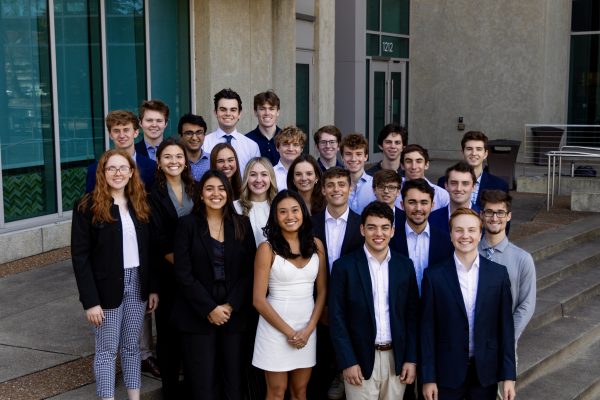
鈥淎t the Vanderbilt Fusion Project, we鈥檙e building a community of innovators and problem-solvers working together to accomplish something incredible. When we succeed, we鈥檒l have fused atoms together creating a cutting-edge research platform, and formed a team of next-generation leaders,鈥� their mission statement reads.
Tommy Pennington, a mechanical engineering major in the Class of 2025, conceived the project and now serves as its CEO. Civil engineering major Logan Glazier, also in the Class of 2025, is the group鈥檚 chief operating officer. The duo directs the different , which include safety, engineering, finances, community relations and more, to ensure that the Vanderbilt Fusion Project operates smoothly.
RADICAL COLLABORATION
The group has gained robust support from alumni, entrepreneurs and the university due in part to their stellar research, planning and vision.
The Vanderbilt Fusion Project team鈥檚 proposal was strongly received in the first cycle of the through the , and they were awarded $20,000 to push their bold idea forward.
Alumni have also stepped up to support the team鈥檚 vision, especially Suzanne and Michael Ainslie, BA鈥�65; Stephanie, BA鈥�86, and John Ingram, MBA鈥�86; and Julie and Judson Pankey, BA鈥�82.


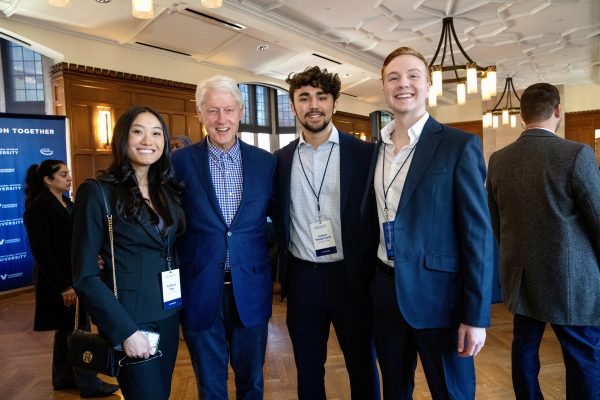
Several of the team members also were invited to share their project with former President Bill Clinton in a small group meeting at Clinton Global Initiative University, which was held at Vanderbilt in March.
鈥淚 do think we’re embodying that 鈥榙are to grow鈥� motto we keep hearing about at Vanderbilt because we dared ourselves to push the limits of what undergrads do,鈥� said Anders Westermann, a human and organizational development and Spanish double major who is chief strategy officer of the project.
鈥淲e鈥檝e been dared to grow by Chancellor Diermeier and professors and mentors across the university who encourage and challenge us,鈥� he added. 鈥淚t feels like there’s no limit to what we can do with that kind of support.鈥�
HOW IT WORKS
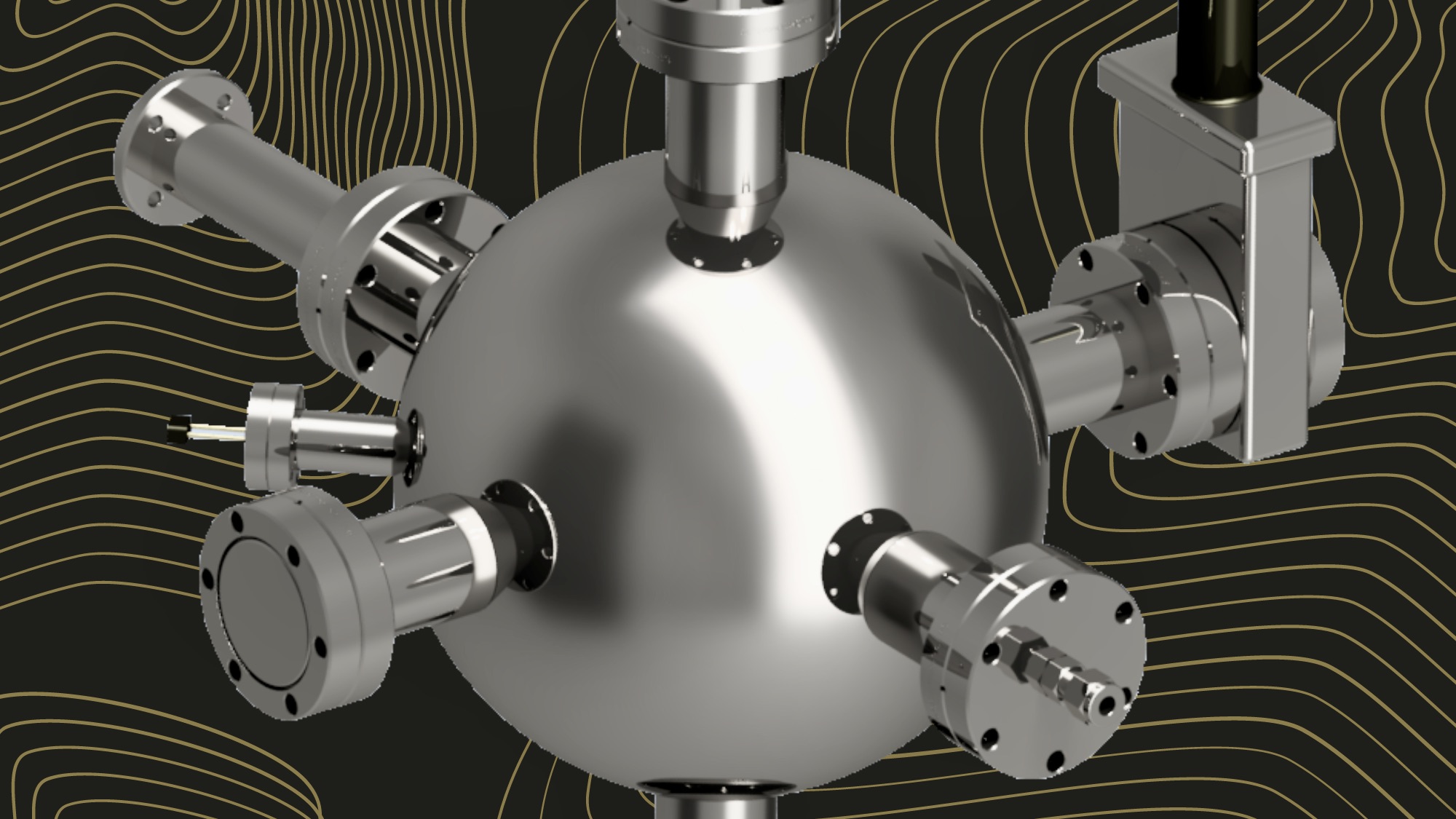
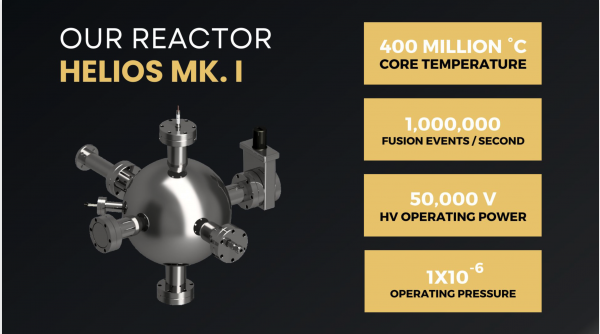
Pennington explains that the inertial electrostatic confinement, or IEC, nuclear fusion reactor will be about the size of a soccer ball and will be powered by electric fields and clean hydrogen fuel.
鈥淏asically, what that means is we’re going to be building a desktop fusion reactor where we can accelerate particles鈥攈ydrogen atoms, in our case. The hydrogen atoms will stick together and form a new helium atom, releasing energy through the same mechanism that the sun produces energy to heat the earth,鈥� Pennington said.
The concept of these types of reactors is not new. But how the students are tackling the science is.
鈥淲e’re almost reinventing this previously proven technology that was kind of shelved decades ago鈥攁nd doing it at the undergraduate level with a lot of engineering rigor, reapplied machine learning and some pretty cutting-edge modeling algorithms,鈥� Pennington said.
The team is designing the reactor and prototyping the controller for it. Building the actual reactor is further down the road and will require special approvals and facilities.
NEW 狐狸视频 OPPORTUNITIES
The students and their mentors believe the success of the reactor could create an exciting environment for students to get hands-on experience as well as lead to new research opportunities for nanotechnology, materials science and general fusion systems engineering at Vanderbilt.


鈥淭hese students are bringing together a critical mass of expertise, and I am excited to help their vision,鈥� said faculty adviser , adjunct professor of materials science and engineering and former researcher at . 鈥淎 successful company like Google grew from a search engine project from undergraduates. I think this is the kind of thing that can change the atmosphere and the ecosystem around Vanderbilt and the region.鈥�
The team鈥檚 other advisers are physics professor , who is overseeing safety, and staff engineer .
Teising is excited about the potential for experiments and research opportunities once the reactor is built. He first connected with Pennington and Glazier while the two were working in his their freshman year.
鈥淭he grassroots effort and pioneering spirit of this team is what really excites me,鈥� Teising said. 鈥淚鈥檒l admit the idea of building a fusion reactor sounded like a ton of work, especially on the front end. However, when Logan and Tommy approached me, they already had assembled a group of enthusiastic students with structured leadership roles, and I was impressed with the amount of thought and consideration they and their peers had already put into the plan.鈥�
Numerous students on the team are also incorporating this work for their projects.
ENTREPRENEURSHIP INFRASTRUCTURE
The team says they would never be as far along as they are without the robust innovation and entrepreneurship infrastructure at Vanderbilt.
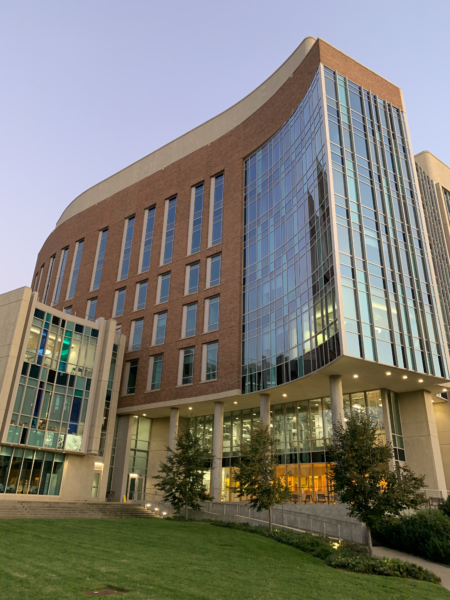
The team is working extensively with , which is the home base for the team and where they are designing the reactor and prototyping the controller for it. They鈥檙e also using entrepreneurship resources such as the , the and, eventually, the
鈥淥ur core values of innovation work perfectly within the Wond鈥檙y, and the support and expertise there on all sides are incredible,鈥� Westermann said.
The group has also connected with leaders in fusion startups and other parts of the energy industry, including meetings with executives from Oak Ridge National Laboratory, the Fusion Industry Association and Canadian fusion startup General Fusion.
鈥淔usion is coming closer than it has ever been to becoming a fruitful technology with exciting potential for clean energy,鈥� Choudhury said.
NEXT STEPS
The students are going through multiple phases of safety planning and approvals. They are purchasing materials and hope to build the proof-of-concept reactor during the 2023鈥�24 school year.
鈥淚 never came to college thinking, yeah, I’m going to come here and I’m going to build a nuclear fusion reactor with a bunch of people from my freshman dorm,鈥� laughed Kathryn Tam, a math major in the Class of 2025 and the project鈥檚 chief safety officer. 鈥淏ut the wonderful thing about Vanderbilt is when Tommy pitched this idea, everybody was like, 鈥楲et’s do it!鈥� Because at Vanderbilt everybody is so willing to just dive right in and get experience and do something amazing. I鈥檓 proud to be a part of it.鈥�
- Learn more about the
- Learn more about the
- Learn more about the
- Read about .
- Visit the .
- See the latest from
- Learn more about the