The same immune system that fights infection and the flu could join the battle against opioid addiction, new research out of the indicates.
, assistant professor of pharmacology and corresponding author in the Journal of Neuroscience, says there鈥檚 promise in specific immune system peptides 鈥� amino acid compounds that signal cells how to function.
In this case, they may be affecting brain activity and, by extension, drug cravings.
鈥淲e found we could target these immune peptides and change the cravings that male mice and rats had for food and sugar,鈥� Calipari said. 鈥淣ow we鈥檙e looking at what we need to do before we can take this into human clinical trials. This is exciting because we see how peripheral systems such as the immune system could be influencing cravings.鈥�
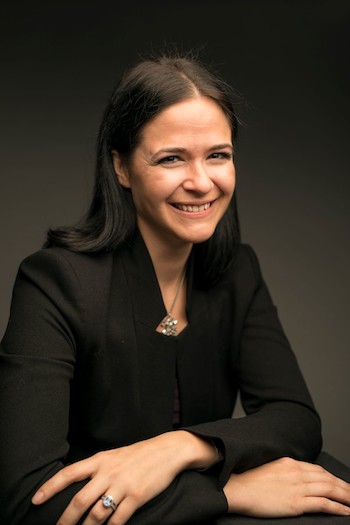
She鈥檚 collaborating with Drew Kiraly at the Icahn School of Medicine at Mount Sinai on how these systems work and how to best translate the findings to help human patients.
Calipari warns that there鈥檚 no single cure for the complicated disease of addiction which, at its core, is a hijacking of the dopamine system that creates a cycle of substance abuse. However, individual addicts are heavily influenced by genetic or external factors, Calipari said. Her lab is focused on neurological interventions that could help cut cravings while patients work on other contributing factors.
鈥淥ne example is that we鈥檝e found to addiction,鈥� she said. 鈥淯ltimately, we want to be able to go to various populations and say, 鈥楾hese things are predictive of your vulnerability to addiction.鈥� Then, we want to target systems that could improve their treatment outcomes.
鈥淲e鈥檙e not going to find one treatment that fixes everything, but we can, eventually, target different aspects of addiction for individual patients.”
The research was funded by Vanderbilt University School of Medicine, Icahn School of Medicine at Mount Sinai, the National Institutes of Health, the National Institute of Drug Abuse (DA042111 and DA044308), the National Institute of Mental Health (MH111216) and the Brain and Behavior Research Foundation.